
Introduction: Discovering the Charm of Anko Dango
Japanese desserts are known for their delicate flavors, beautiful presentation, and deep cultural roots. Among the many traditional sweets Japan has introduced to the world, anko dango stands out as a simple yet satisfying treat loved by dessert enthusiasts everywhere.
If you have searched for “anko dango near me,” you are likely looking for a taste of authentic Japanese sweetness: soft rice dumplings paired with rich red bean paste. Whether you are exploring Japanese restaurants, visiting Asian bakeries, or trying to make it at home, this guide will help you discover, enjoy, and appreciate this classic dessert.
What Is Anko Dango?
Anko dango is a traditional Japanese sweet made from dango, small round rice flour dumplings, and anko, a sweet red bean paste made from azuki beans.
The dango itself has a soft, chewy texture that is slightly springy, while the anko adds a smooth, sweet, and slightly earthy flavor. The combination creates a dessert that is comforting, balanced, and uniquely Japanese.
Unlike many Western desserts that rely heavily on butter, cream, or chocolate, anko dango highlights natural ingredients and subtle sweetness.
The History and Cultural Importance of Dango
Dango has been enjoyed in Japan for centuries and is closely connected to Japanese festivals, tea ceremonies, and seasonal celebrations.
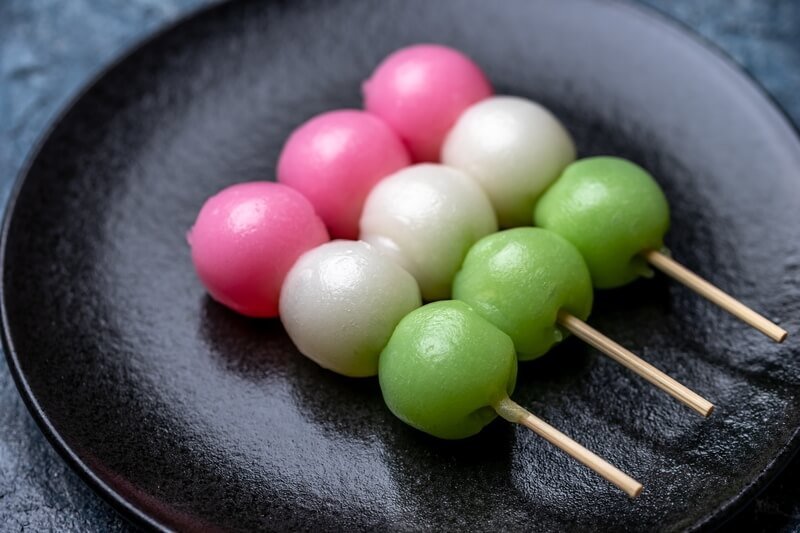
One of the most famous varieties is hanami dango, which is traditionally enjoyed during cherry blossom viewing season. Dango is also commonly sold at festivals and street food stalls, where people enjoy it alongside other Japanese favorites.
Anko dango represents more than just a dessert—it reflects Japanese appreciation for simplicity, seasonal ingredients, and mindful eating.
How to Find Anko Dango Near Me
Finding authentic anko dango depends on where you live, but there are several places worth checking.
1. Japanese Restaurants
Many Japanese restaurants that serve traditional desserts may offer anko dango, especially those specializing in authentic cuisine. Look for restaurants with dessert menus featuring:
- Mochi-based sweets
- Matcha desserts
- Traditional Japanese wagashi
- Red bean treats
A quick search for “Japanese dessert near me” or “anko dango near me” can help you discover local options.
2. Japanese Bakeries and Sweet Shops
Japanese bakeries are often one of the best places to find traditional sweets. These shops may prepare fresh dango daily and offer other Japanese favorites such as:
- Dorayaki
- Mochi
- Taiyaki
- Matcha cakes
- Red bean pastries
Freshly made dango usually has the best texture and flavor.
3. Asian Markets
Some larger Asian grocery stores carry frozen or packaged Japanese desserts. While these may not always be freshly made, they can be a convenient way to try anko dango at home.
Check the refrigerated or frozen dessert sections for Japanese sweets.
4. Online Food Delivery Services
Depending on your location, food delivery apps and online marketplaces may list Japanese dessert shops that sell dango. Searching terms like “Japanese sweets,” “mochi desserts,” or “red bean desserts” can help you find nearby options.
What to Look for When Buying Anko Dango
Not all dango is the same. If you want the best experience, consider these qualities:
Fresh Texture
Good dango should be soft, chewy, and moist. If it is too hard or dry, it may not be freshly prepared.
Balanced Sweetness
Traditional anko dango is sweet but not overwhelmingly sugary. The red bean paste should complement the rice dumpling rather than overpower it.
Quality Ingredients
Authentic versions usually use simple ingredients:
- Rice flour
- Water
- Sugar
- Azuki beans
The quality of these ingredients makes a noticeable difference.
How to Enjoy Anko Dango Like a Local
Anko dango can be enjoyed in many ways. Here are some tips for the best experience:
Pair It With Matcha Tea
The slight bitterness of matcha balances the sweetness of the anko, creating a classic Japanese dessert pairing.
Enjoy It Fresh
Dango is best eaten soon after preparation when the texture is soft and chewy.
Try Different Variations
While anko dango features red bean paste, there are many other types of dango, including:
- Mitarashi dango: covered in a sweet soy glaze
- Kinako dango: coated with roasted soybean powder
- Seasonal fruit-flavored versions
Exploring different varieties can help you appreciate the diversity of Japanese sweets.
Making Anko Dango at Home
If you cannot find anko dango nearby, making it yourself is a fun option.
Basic Ingredients
You will need:
- Shiratamako or rice flour
- Water
- Sweet red bean paste (anko)
- Sugar (optional)
Simple Preparation
- Mix rice flour with water until a soft dough forms.
- Shape the dough into small round balls.
- Boil the dumplings until they float.
- Cool them slightly and serve with sweet red bean paste.
Homemade dango allows you to adjust the sweetness and experiment with different toppings.
Why Anko Dango Is Becoming Popular Worldwide
Japanese desserts have gained popularity globally because they offer something different from traditional Western sweets. Many people enjoy anko dango because it is:
- Naturally portion-controlled
- Simple and satisfying
- Rich in cultural tradition
- Suitable for tea pairings
- Unique in flavor and texture
The growing interest in Japanese cuisine has made treats like anko dango easier to find in cities around the world.
Final Thoughts: Enjoying Anko Dango Near You
Searching for “anko dango near me” is more than just finding a dessert—it is an opportunity to experience a small piece of Japanese culture. Whether you discover it at a local Japanese restaurant, a specialty bakery, or prepare it in your own kitchen, anko dango offers a delicious combination of tradition, simplicity, and flavor.
Next time you want to try something different, look beyond ordinary desserts and explore the gentle sweetness of this beloved Japanese treat.
(FAQs) About Anko Dango
1. What is anko dango?
Anko dango is a traditional Japanese dessert made with chewy rice flour dumplings (dango) topped or filled with anko, a sweet red bean paste made from azuki beans. It is known for its soft texture and mildly sweet flavor.
2. Where can I find anko dango near me?
You can usually find anko dango at Japanese restaurants, Japanese bakeries, wagashi (traditional Japanese sweets) shops, Asian grocery stores, and specialty dessert cafes. Searching for “anko dango near me” online can help you locate nearby options.
3. What does anko dango taste like?
Anko dango has a unique combination of textures and flavors. The dango is soft and chewy, while the anko provides a smooth, sweet, and slightly nutty bean flavor. It is less sugary than many Western desserts.
4. Is anko dango the same as mochi?
No, anko dango and mochi are different Japanese sweets. Dango is made from rice flour and has a firmer, chewier texture, while mochi is made from glutinous rice and is softer and more stretchy.
Also Read: Paulina Goto: The Mexican Star Who Captured Hearts Through Acting, Music, and Authenticity
5. Is anko dango vegan?
Traditional anko dango is often vegan because it usually contains simple plant-based ingredients such as rice flour, azuki beans, sugar, and water. However, ingredients may vary depending on where it is purchased.
6. How much does anko dango usually cost?
The price of anko dango depends on the location and shop. In general, it is an affordable Japanese sweet, often costing a few dollars per serving at bakeries, cafes, or markets.
7. Can I buy anko dango online?
Yes, some Japanese food stores and online marketplaces sell packaged or frozen anko dango. Fresh versions from local Japanese bakeries or dessert shops usually provide the best taste and texture.
8. How should I eat anko dango?
Anko dango can be enjoyed on its own or paired with Japanese green tea, especially matcha. It is commonly eaten as a snack, dessert, or part of a traditional Japanese tea experience.
9. How long does anko dango stay fresh?
Anko dango tastes best when eaten fresh. Over time, the rice dumplings can become firmer and lose their soft texture. If stored, keep them in an airtight container and consume them as soon as possible.
10. Can I make anko dango at home?
Yes, anko dango is possible to make at home using rice flour, water, and sweet red bean paste. Homemade versions allow you to adjust the sweetness and experiment with different toppings.
11. What is the difference between anko dango and mitarashi dango?
The main difference is the topping. Anko dango is served with sweet red bean paste, while mitarashi dango is covered with a sweet and savory soy sauce-based glaze.
12. Why is anko dango popular in Japan?
Anko dango is popular because it represents Japanese food traditions, seasonal celebrations, and the appreciation of simple flavors. It is commonly enjoyed during festivals, tea gatherings, and everyday snack times.
